
Inside Venezuela & the Nicolás Maduro Capture
Updated: Feb 3
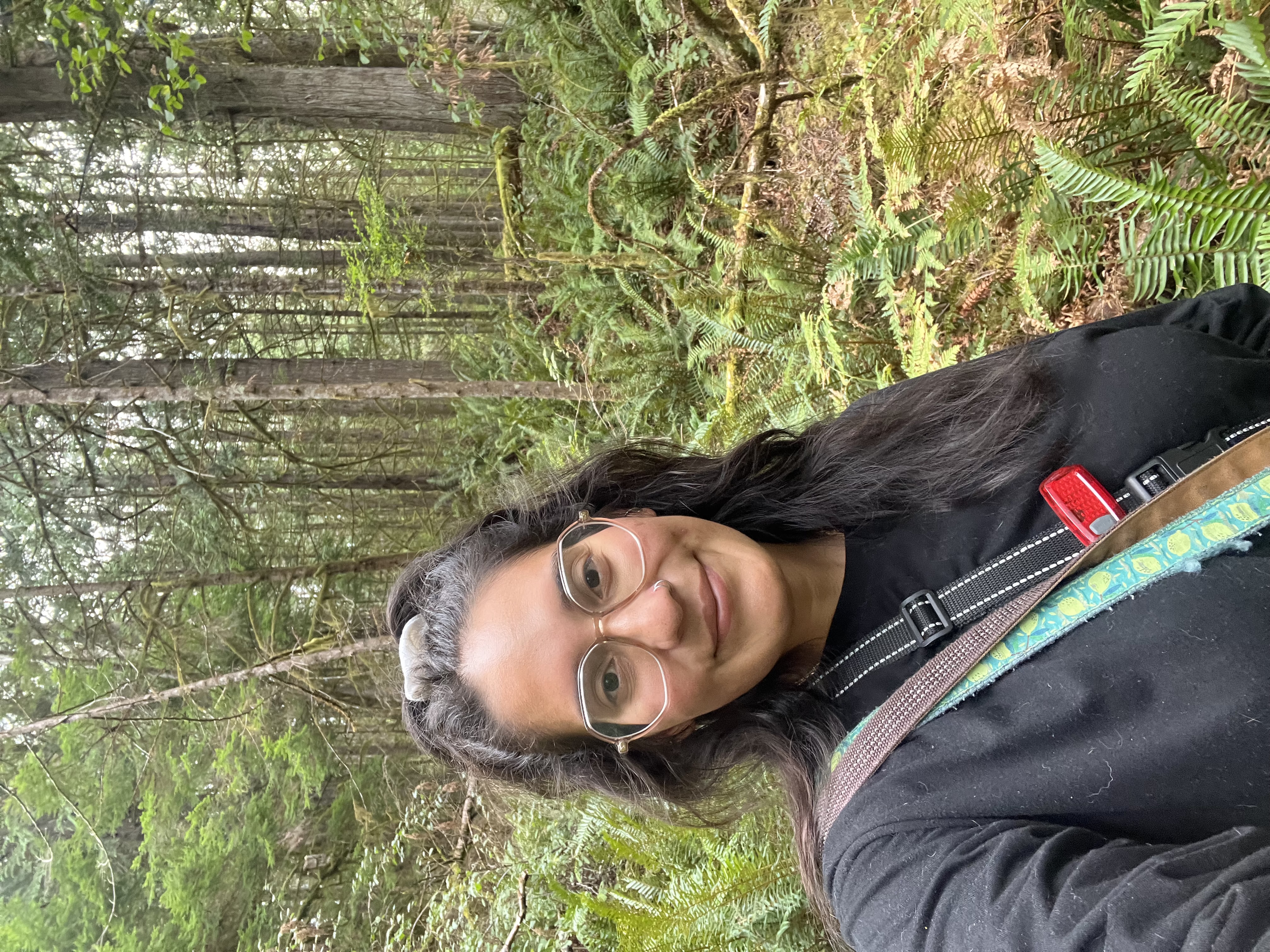
This year began with a bang, an expression that, if anything, feels like an understatement. What some readers may not know about me is that I was born and raised in Venezuela. In 2007, my parents and I moved to Canada following years of political unrest and growing instability in the country.
I was born in 1991 in Valencia, a city a few hours from the capital, Caracas. I spent most of my childhood growing up in the hills of Caracas, in a neighborhood called Manzanares. Venezuela was, and remains in my memory, a deeply beautiful country. It is colorful, loud, and vibrant, filled with warmth, music, and what I still believe to be the best cheese and fruit in the world. Like any country, it had its shortcomings, but over time those challenges intensified and became impossible to ignore. My experiences in Venezuela shaped who I am today and form a foundational part of my identity. Leaving was not simply a relocation; it was a rupture. What continues to weigh on me most is that I have not returned since I left. I have been unable to go back due to the increasing dangers, and violence, the uncertainty surrounding reentry back into Canada, and my own fears. I fear that the Venezuela I once knew, the one I carry with me in memory, no longer exists.
I want to preface this by saying that while I have conducted research to ensure accuracy as I write my first blog post, what follows is also deeply personal. These are my reflections, opinions, and lived experiences, shaped by both distance and longing.

Understanding Venezuela & its History
Venezuela has a complex and layered history. As a child, I was blissfully unaware of much of what was unfolding around me. With time and distance, adulthood has given me the ability to revisit those experiences with greater clarity to reflect on moments I once took for granted and to consider how they have shaped who I am, the life I live, and the way I see the world. The reality is that my life would be profoundly different had I remained in Venezuela.
The current situation in the country is not black and white. It exists largely in shades of gray, and I find myself firmly within that ambiguity. In recent years, opinions about Venezuela have become increasingly polarized, and many of them are deeply misinformed. The saturation of propaganda, coupled with misleading media narratives and AI-generated images presented as fact, has further distorted public understanding. In this particular context, multiple truths can coexist simultaneously. At least, that is how I experience it.
Emotionally, this complexity has not been easy to navigate. I have struggled not only with my own reactions, but also with responding to the opinions of my parents and those I grew up with. Venezuela’s political history is deeply complicated, and it continues to shape how different generations interpret what is happening today. Political affiliations, personal experiences, and historical memory all intersect, often in conflicting ways. For more than two decades, clear divisions have been drawn, and those divisions continue to ripple through families, communities, and lives, including my own.
The History of Venezuela:
Venezuela was a Spanish colony until the early nineteenth century, achieving formal independence as part of a broader series of liberation campaigns led by Simón Bolívar. The Acta de la Declaración de la Independencia was signed on July 5, 1811, marking a foundational assertion of Venezuelan sovereignty following centuries of colonial rule. Sovereignty and national self-determination have remained central themes in Venezuela’s political identity ever since.
The discovery and subsequent development of petroleum fundamentally transformed Venezuela’s economy and global significance. Commercial oil production began in 1914 with the Zumaque I field near Lake Maracaibo, Zulia, initiating what would become one of the most important oil industries in the Western Hemisphere. Venezuela’s oil reserves have since expanded to the largest proven crude oil reserves in the world, estimated at roughly 303 billion barrels, which account for about 17% of global reserves. Much of this oil is heavy crude from the Orinoco Belt, which presents technical challenges for extraction and refining relative to lighter crudes.
During the early decades of commercial oil production, US and other foreign companies played a dominant role in exploring, producing, and exporting Venezuelan petroleum under concession agreements. In the 1920s and into the mid-twentieth century, major US firms built infrastructure and developed Venezuelan oil, effectively integrating it into global energy markets. In 1976, under President Carlos Andrés Pérez, Venezuela formally nationalized its oil industry. This process led to the creation of Petróleos de Venezuela S.A. (PDVSA), a state-owned company that assumed control over exploration, production, refining, and export operations previously dominated by foreign corporations. Although compensation was provided to former concession holders and some technical cooperation continued, the nationalization marked a decisive shift toward asserting state control over natural resources.
Oil quickly became the cornerstone of Venezuela’s economy, with PDVSA emerging as a central institution in national development. The sector accounted for a majority of government revenue and export earnings for decades, influencing national policy, foreign relations, and social programs. Venezuela’s position as a leading oil exporter also made it a founding member of the Organization of the Petroleum Exporting Countries (OPEC), further embedding petroleum within the geopolitical landscape of the twentieth century.
The historical trajectory of Venezuela’s oil industry beginning with early foreign exploitation, followed by nationalization and state-centered management reflects broader themes of sovereignty, economic dependency, and efforts to control national wealth. These dynamics have continued to shape Venezuela’s political economy and its interactions with global powers, including the United States.

Since gaining independence from Spanish colonial rule, Venezuela’s political history has been characterized by repeated shifts in governance, oscillating between democratic experimentation and periods of authoritarian rule. One of the most notable was the regime of Marcos Pérez Jiménez, who ruled as a military strongman from 1952 until his overthrow on January 23, 1958. Pérez Jiménez governed through centralized power and military loyalty, suppressing political parties and civil liberties, until a coup removed him and facilitated a transition back toward civilian democracy. The subsequent governments worked under the Punto Fijo Pact, a power-sharing agreement among major parties that stabilized democratic governance for the next several decades. A key turning point in Venezuela’s modern political development occurred in the late twentieth century amid growing social inequality and political disillusionment. During the presidency of Carlos Andrés Pérez (1989–1993), economic austerity measures and neoliberal reforms deepened social hardship and provoked widespread unrest such as El Caracazo in 1989, when protests against price increases were met with a violent government crackdown, leaving hundreds or more dead and fueling distrust in the political establishment. This period of economic contraction, rising poverty, and political polarization weakened faith in the existing political order.
Amid this climate, Hugo Chávez, then a lieutenant colonel in the Venezuelan military, emerged as a prominent figure. Chávez had founded the Revolutionary Bolivarian Movement-200 (MBR-200) in the early 1980s, a clandestine group inspired by Bolívar’s legacy and committed to radical change. On February 4, 1992, Chávez and other MBR-200 members led an attempted coup against President Pérez’s government, which ultimately failed. Chávez was arrested and imprisoned, but his televised surrender speech was framed around the idea that the struggle continued. The speech resonated with many Venezuelans disillusioned with traditional politics. He was pardoned and released in 1994, which allowed him to reenter public life. Following his release, Chávez transitioned from military rebellion to electoral politics. In 1997 he founded the Fifth Republic Movement (Movimiento Quinta República, MVR) as a political vehicle to contest the 1998 presidential election. The Fifth Republic Movement, which drew on Chávez’s populist appeal and advocacy for systemic reform, successfully mobilized broad support, particularly among the impoverished and politically excluded. Chávez won the presidency later that year and was inaugurated in 1999. Soon after, a constituent assembly dominated by his supporters drafted a new constitution that expanded executive authority and established the Bolivarian Republic of Venezuela, reflecting Chávez’s vision of a re-founded state. Within a decade, the MVR merged with allied parties to establish the United Socialist Party of Venezuela (PSUV), which became the dominant force in Venezuelan politics.
Chávez’s political strategy was strongly rooted in populist rhetoric and class appeals. He positioned himself against entrenched political elites and traditional parties, appealing especially to the economically marginalized majority who lived in informal settlements known as barrios. Barrios are self-built neighborhoods on the margins of cities such as Caracas which are emblematic of deep inequalities, often lacking basic services and associated with high levels of poverty, crime, and social exclusion. Chávez’s focus on redistributive policies, social programs, and direct engagement with these communities helped him solidify a base of support that had been largely unrepresented in Venezuela’s earlier democratic system. This sequence, from dictatorship under Pérez Jiménez, through democratic consolidation, to insurgent coup-attempts and eventual electoral success for a revolutionary outsider, illustrates some of the structural and social tensions that have shaped Venezuela’s contemporary political landscape.

Hugo Chávez initially rose to prominence by promising to address Venezuela’s deep socioeconomic inequality and by presenting himself as a nationalist leader dedicated to restoring Venezuelan sovereignty. His charismatic appeal and populist messaging focused on anti-elitism, social welfare, and economic redistribution allowed him to gain substantial support. However, the trajectory of his presidency diverged sharply from many of these early promises. Over time, his government became increasingly authoritarian, consolidating power through constitutional changes, the centralization of institutions, and the weakening of political opposition. Simultaneously, the Venezuelan economy deteriorated due to falling oil prices, mismanagement, and systemic corruption, which contributed to hyperinflation, shortages, and mass emigration. Chávez’s escalating rhetoric against US influence and “imperialism” also shaped the political identity of his movement and led to a deterioration in bilateral relations with the United States. In retrospect, his tenure reflects the broader challenge of achieving equitable social reform within a framework that increasingly prioritized political control over institutional stability and economic sustainability.

After Chávez’s failed coup attempt (1992) and subsequent release from prison (1994), he traveled to Cuba, where he was received by Fidel Castro with full state honors. This visit marked the beginning of a deep personal and political alliance that endured throughout Chávez’s presidency and beyond. Castro, who had long sought closer ties with Venezuela due to its strategic oil reserves, had previously attempted to build alliances with earlier Venezuelan leaders but was repeatedly rebuffed. Chávez’s rise represented a notable departure: he admired Castro and the Cuban revolutionary project, frequently portraying Castro as both a mentor and a paternal figure. This ideological and personal bond was significant not only symbolically but also materially, as it led to substantial cooperation between the two governments. The strengthening of Cuban-Venezuelan relations generated considerable domestic tension, particularly within the oil sector. Venezuela’s oil resources became a key instrument of the alliance, as the Chávez government used oil diplomacy to support Cuba’s economy and political survival. At the same time, this relationship contributed to growing polarization within Venezuela, as opponents criticized the government for aligning with a communist state and for the increasing influence of Cuban advisors in domestic policy and security. In this sense, Chávez’s Cuban alliance shaped both his foreign policy and the internal dynamics of Venezuelan governance, reinforcing the ideological foundations of his movement while also exacerbating political division.
When Chávez was sworn in as president in 1999, I was only 8 years old and had no real grasp of the political complexities surrounding his election. As the years passed, however, I began to hear family members, especially those working in the oil and gas sector voice increasing frustration with the government’s policies. My dad, my godparents, and my uncle G were all dismissed from their jobs after Chávez began to politicize the state oil company and American companies began to leave Venezuela. Chávez replaced experienced managers at PDVSA with loyalists. In response to what many viewed as Chávez’s encroachment on PDVSA’s managerial autonomy and the redirection of oil revenues to social programs and strategic allies, opposition groups organized a general strike from December 2002 into early 2003 aimed at forcing Chávez out of office through economic pressure. The strike effectively paralyzed Venezuela’s most crucial industry, dramatically reducing oil production and severely disrupting the national economy. In retaliation and as a means of regaining control, the government fired thousands of PDVSA employees, including many of its most skilled managers and technical experts. At the time, as a child, the strike felt like an extended break from school. It became a chance to play, socialize, and enjoy simple moments that, in retrospect, belied the profound economic and social upheaval unfolding around me. There were long queues for gas and basic goods, workplaces were shut down, and daily life slowed to a near standstill. As I grew older and reflected on those months, I came to understand the lasting damage the strike and subsequent purge inflicted on Venezuela’s oil sector. Production never fully recovered to its pre-strike levels, and PDVSA’s technical capacity was deeply weakened by the loss of experienced personnel.
Politically, the strike and Chávez’s response further galvanized both government supporters and the opposition. His consolidation of power, combined with expanding ties to Cuba and the use of oil revenues to fund social missions, deepened polarization across Venezuelan society. While some of his social programs, such as literacy campaigns and subsidized healthcare delivered in part by Cuban personnel, did achieve measurable gains for historically underserved populations, critics argued that these gains came at the cost of institutional integrity and economic sustainability. Chávez’s efforts to centralize control over the government, the economy, and PDVSA, as well as his consolidation of a loyal political base, reflected a broader pattern in which personal political survival became intertwined with the management of the nation’s most strategic asset. For many Venezuelans, including those in my family, this period was a first encounter with the deep social and economic fractures that Chávez’s presidency would both expose and exacerbate.

On April 11, 2002, Venezuela experienced one of its most traumatic political events in recent history. There was a massive protest in Caracas that quickly escalated into violence. My parents, along with extended family members and friends, attended the demonstration. I was meant to go as well, but my mom withdrew at the last moment. I vividly remember staying at home disappointed with my neighbor. We played while watching the events unfold on television. Suddenly, the broadcast turned chaotic, screaming and panic erupted, and people began running as shots rang out. The violence was centered around Puente Llaguno, where armed men fired on protestors, resulting in multiple deaths. In the ensuing chaos, I repeatedly called my parents, but their phones were never answered. We began to cry, fearful for their safety. We held each other without taking our eyes off the TV. Eventually, my family returned safely, along with other relatives. We rearranged furniture in our home to provide sleeping space for everyone. That night, we learned that approximately 18 people had died during the protests. The protest and its aftermath were followed by a brief military coup in which opposition forces installed Pedro Carmona as interim president. However, Chávez returned to power within 48 hours. This episode enabled the government to justify further centralization of power and increased political repression. In the weeks that followed, my uncle G, an outspoken critic of Chávez who had previously worked for PDVSA, was reportedly monitored and harassed by state security forces. He sought refuge with our family for three months, placing us in a precarious position: under government logic, we were harboring a political dissident. At the end of the day, family is family and he was advocating for what was right. This period revealed the deep contradictions of the Chávez government. While the administration claimed to represent popular sovereignty and fight corruption, it was simultaneously marked by widespread allegations of human rights abuses, corruption, escalating violence, and the politicization of state institutions. Many of the same individuals who had accused earlier governments of corruption became implicated in similar practices, undermining the legitimacy of the state and contributing to long-term social and political polarization. In simple terms Chávez and his government became everything they were fighting against, essentially a different side of the same coin.

As Chávez’s presidency progressed, Venezuela’s foreign relationships shifted markedly. What began as a close ideological and material alliance with Cuba deepened over time, and Caracas later built significant ties with countries such as China, Russia, and Iran. States that similarly positioned themselves as counterweights to US influence and Western geopolitics. These alliances often rested on shared rhetoric opposing “imperialism,” though the nature of the partnerships varied according to economic and strategic interests. For example, Venezuela’s oil exports were central to its cooperation with China, which provided significant credit and import agreements in exchange for oil that helped sustain the government’s finances even amid international sanctions. Relations with Russia and Iran developed around broader political support, energy cooperation, and occasional military or technological exchange. This bloc of allied states provided diplomatic backing and economic lifelines, particularly as Venezuela became increasingly isolated from Western institutions.
Hugo Chávez was diagnosed with cancer and died in March 2013. Before his death, he had designated Nicolás Maduro, his vice president, as his successor. By selecting Maduro, Chávez actively violated the Venezuelan Constitution (Article 233). I was 21 years old and studying for midterms at the University of Alberta in Canada when I learned the news of his death. At the time, I felt relief. A visceral feeling in which the man who had driven my family from our homeland was FINALLY gone. In hindsight, that emotional response reflected my personal experience of Venezuela’s deteriorating conditions, even as I did not yet fully grasp the broader political and economic implications.
Under Maduro’s rule, the country’s already fragile economy plunged further into crisis. Years of mismanagement, corruption, declining oil production, and intensified US sanctions contributed to one of the worst economic collapses in contemporary history. Venezuela experienced hyperinflation, severe shortages of basic goods, including food, medicine, and medical supplies, and the deterioration of public services and infrastructure that profoundly affected everyday life. Millions of Venezuelans fled the country, creating one of the largest displacement crises in Latin America. During this period, political repression and violent crackdowns on dissent became widespread. Large waves of protests, particularly in 2014 and 2017, driven by economic hardship and demands for democratic reform, were met with force by security services, including the police, military units, and armed civilian groups known as colectivos. Human rights organizations documented the use of live ammunition, arbitrary detentions, and torture against demonstrators, especially students who played a prominent role in sustained opposition mobilizations.
I am deeply grateful that my parents made the difficult decision to leave Venezuela when they did. Reflecting on what followed, I recognize how precarious life would likely have been for me had we stayed: participating in protests under an increasingly repressive regime would have brought significant personal risk, including the possibility of detention, forced disappearance, or worse. The reality many Venezuelans confronted was essentially daily survival in conditions of economic collapse and political repression. This illustrates how the country’s trajectory under Chávez and Maduro diverged sharply from the early promises of expansive social reform and national renewal.
“Dictatorships are not afraid of guns; they are afraid of ideas — and students carry ideas”
It is also important to understand the history behind claims about oil ownership in Venezuela and the tensions this history has created. In the mid-2000s, President Hugo Chávez pursued an aggressive policy of asserting state control over the oil sector, requiring that foreign oil companies operate under majority-state ownership through PDVSA, Venezuela’s state oil company. Several foreign firms, including ExxonMobil and ConocoPhillips, refused the new terms, resulting in the Venezuelan government expropriating their assets. These actions triggered lengthy international arbitration proceedings, and tribunals later awarded billions of dollars in damages to the affected companies, though Venezuela has struggled to satisfy those awards. When President Donald Trump, in December 2025, stated that “they took all of our oil and we want it back,” he was referencing these long-standing oil disputes and the perception among some US policymakers that foreign oil investments were taken without full compensation. However, experts note that Venezuela’s oil has always legally belonged to the Venezuelan state under the principle of permanent sovereignty over natural resources, and that the claims relate primarily to expropriated assets and contractual disputes, not to the oil itself being unlawfully removed from Venezuelan territory. Even though the territory and the subsurface resources are Venezuelan, the economic reality has been that oil wealth has not translated into broad prosperity for the Venezuelan populace. Decades of mismanagement, corruption, political patronage, and economic dependency meant that much of the revenue and decision-making around oil benefited a narrow political elite and external partners rather than improving living standards across Venezuelan society. Moreover, prior to recent US actions, Venezuela’s oil sector had already declined sharply due to underinvestment and sanctions, leaving infrastructure in disrepair and oil output at a fraction of its peak levels.
Many people, especially younger generations or those with limited direct experience of Venezuela’s history, may not fully understand the nuances of these disputes or how long the issues have been building. Venezuelans themselves have been raising concerns about mismanagement, inequality, and political repression for decades, often with little attention from the wider world. While it is encouraging that global awareness of Venezuela’s situation has increased and that there is recognition of the injustices of resource exploitation and foreign intervention, the historical damage, economic, social, and institutional, was inflicted long before recent military actions, and the consequences continue to be deeply felt.
Finally, it is also important to note that during periods of crisis such as the severe protests and crackdowns in 2017 led to major international organizations, including the United Nations, to have been criticized for insufficient action or muted responses. Many Venezuelans have believed the series of inaction have been neglectful in the face of rights violations and violence. While the political dynamics are complex and interpretations vary internationally, the lived experience of communities subjected to repression and economic collapse underscores the human cost of prolonged instability and external pressures.
January 3, 2026: American Intervention

To begin this section, it is useful to situate the recent political developments in Venezuela within the context that directly informs the current situation. During Donald Trump’s first presidential term, he consistently expressed support for the Venezuelan opposition and sharply criticized the administration of Nicolás Maduro. By 2025, in Trump’s second term, he and other international leaders were declaring the 2024 Venezuelan presidential election illegitimate. In that election, incumbent Nicolás Maduro was officially announced as the winner, but the opposition, led indirectly by María Corina Machado and represented on the ballot by diplomat Edmundo González Urrutia, rejected the results as fraudulent. International observers, including the Organization of American States and the United Nations, found that the process failed to meet basic democratic standards, and the opposition produced parallel vote tallies indicating a clear victory for González. Machado herself was barred from running by Venezuela’s pro-government Comptroller’s Office, a move widely condemned as a violation of political rights that undermined the credibility of the electoral process. Following the contested results and a harsh government crackdown on dissent, Machado went into hiding for her safety. In October 2025, she was awarded the Nobel Peace Prize by the Norwegian Nobel Committee for her decades-long leadership in advocating for democratic rights and a peaceful transition from authoritarian rule. Machado’s Nobel recognition propelled her international profile, and her departure from Venezuela to accept the award in Norway underscored the grave personal risks facing opposition leaders under the Maduro government.
In the United States, immigration policy under President Trump’s second term has been marked by a dramatic escalation in enforcement that many advocates and rights organizations describe as dehumanizing and disproportionate. Venezuelan migration to the US surged as the Maduro regime’s economic collapse and political repression forced millions to flee; estimates suggest that 7 - 8 million Venezuelans have left the country, with a significant diaspora residing across the Americas, including the United States. Many Venezuelans, like my family and me, emigrated in search of safety and opportunity long before recent policy and presidential shifts.
Under Trump’s 2025 immigration agenda, enforcement became a central priority of the Department of Homeland Security (DHS) and Immigration and Customs Enforcement (ICE). The administration issued Executive Order 14159, “Protecting The American People Against Invasion,” which expanded expedited removal and denied federal funding to sanctuary jurisdictions, among other enforcement authority expansions. Detention and deportation operations have significantly ramped up, including large-scale raids such as Operation Metro Surge and widespread community arrests targeting undocumented migrants in interior US communities. As immigration enforcement intensified, the US immigrant detention system expanded to record levels, with more than 60,000 people held in ICE custody at times in 2025, a daily population unprecedented in US history. Many of those detained did not have criminal convictions; advocacy groups and legal analyses found that nearly three-quarters of detainees had no serious criminal record, and nearly half had no conviction at all. Critics argue this reflects a shift from prioritizing dangerous individuals to wide-ranging civil immigration enforcement.
Conditions in detention facilities have drawn widespread concern. Reports document persistent overcrowding, insufficient access to basic services, medical care shortfalls, and severe sanitation problems, issues that rights advocates say contribute to deteriorating health among detainees. The number of deaths in ICE custody rose sharply; independent tallies suggest the 2025 death toll nearly tripled compared with 2024, reaching levels not seen in over two decades. Notable incidents, such as the preliminary homicide investigation into the death of a detainee in Texas, and the countless allegations of sexual assault and forced labor have heightened scrutiny of use-of-force and neglect allegations.
Oversight of immigration enforcement has also deteriorated. DHS has curtailed inspection and oversight functions, making detention conditions more opaque and raising serious concerns about accountability. Critics and former officials argue that diminishing oversight, combined with aggressive enforcement and record detentions, has increased the risk of rights violations and reduced transparency across the system.
There have also been highly controversial deportation practices. For example, a CBS 60 Minutes segment documenting alleged mistreatment of Venezuelans sent to the CECOT mega-prison in El Salvador was initially delayed in the United States and only aired after international interest and Canadian distribution, underscoring tensions around reporting on deportation and detention policies. Investigations into these actions suggest that many of the Venezuelans sent abroad had no criminal charges or convictions, raising additional due process concerns. While deportation and detention for those without legal status are technically civil immigration infractions under US law, critics argue that enforcement has been treated as punitive leading to arrests in neighborhoods and workplaces, expanded use of expedited removal, denial of bond hearings, and transfers to facilities far from legal counsel. These developments have drawn sharp criticism from immigrant rights advocates, lawmakers, and community groups, including some who previously supported Trump but now oppose the human cost of enforcement policies. The intensification of immigration enforcement under Trump, particularly as it affects Latino and Venezuelan communities, reflects a broader debate in US politics about immigration, human rights, and how to balance border control with due process and humane treatment.

In 2025, the Trump administration intensified its accusations against Nicolás Maduro and senior Venezuelan officials, alleging their involvement in narcotics trafficking and asserting that Maduro led the so-called “Cartel de los Soles,” which US authorities characterized as a terrorist organization. While the administration has presented this narrative as a justification for military action, the evidence publicly disclosed to date remains contested, and the precise extent of Maduro’s personal involvement has not been transparently established. Nevertheless, many Venezuelans, myself included, perceive the Maduro regime as deeply corrupt and believe that state officials have facilitated illicit activity. Venezuela’s geography and porous borders have long made the country vulnerable to transnational trafficking networks, and critics argue that state complicity has exacerbated these dynamics.
In September 2025, the Department of Defense initiated a series of strikes against maritime vessels in the Caribbean, claiming they were engaged in drug trafficking. The strikes, conducted in international waters, resulted in multiple fatalities and generated substantial legal and ethical controversy. Observers questioned the legality of using lethal force in international waters without clear evidence of an imminent threat, particularly because drug interdiction is typically treated as a law-enforcement rather than a military matter. Reports also emerged alleging that some strikes involved excessive force, including the targeting of survivors. Following these maritime operations, the United States escalated its actions by attacking a Venezuelan port, seizing a sanctioned oil tanker, and ultimately deploying ground forces in early January 2026. These developments represent a significant escalation in US intervention and raise serious concerns about adherence to international law, proportionality, and the protection of civilian life.

The US military operation in Venezuela commenced in the early hours of January 3, 2026, when the United States launched a coordinated strike against targets in Caracas and other northern Venezuelan locations with the publicly stated objective of capturing President Nicolás Maduro and his wife, Cilia Flores. In the immediate aftermath, President Donald Trump announced via social media and in subsequent press briefings that US forces had succeeded in apprehending Maduro and that Washington would oversee a transitional period in Venezuela’s governance. I first became aware of these developments around 8 am that morning, when I woke to messages and videos from my parents in our family group chat documenting explosions and the official announcement of Maduro’s capture. My initial reaction was confusion and disbelief. Questions of “Is this real?” and “Could this actually be happening?” immediately surfaced. This confusion was quickly followed by a sense of relief, because many Venezuelans who oppose the Maduro regime, like myself, had long hoped for an end to a dictatorship that has persisted for more than two decades. Yet that relief was swiftly accompanied by a profound sense of dread, rooted in an awareness that US intervention historically yields complex and often deleterious consequences for the countries involved. The mixed emotional response, simultaneously hopeful and apprehensive, reflects the ambivalence many Venezuelans feel in relation to foreign intervention, particularly given the legacy of prior US actions in Latin America and the often uneven outcomes they produce. While some Venezuelans celebrated the fall of Maduro as a long-anticipated moment of justice, others questioned the implications of extensive foreign military involvement. My own perspective diverges from many within my community, including my parents. Although we share a desire for political change in Venezuela, our political orientations differ. These divergent views have, at times, generated friction within my family, particularly as we have grappled with how to interpret and respond to such a consequential geopolitical event.
The main issues I have with the whole situation are as follows - buckle up though!
The US military operation in Venezuela on January 3, 2026 represents a significant departure from established norms governing state sovereignty and the use of force. In the early hours of that day, US forces conducted a coordinated strike, Operation Absolute Resolve, that resulted in the capture of Venezuelan President Nicolás Maduro and his wife, Cilia Flores, in Caracas and their subsequent transfer to the United States to face criminal charges. The United States has characterized the mission as a law-enforcement action aimed at apprehending indicted fugitives rather than a traditional military invasion, asserting that existing federal indictments against Maduro provided legal justification for the operation. President Trump and his administration have explicitly framed the action as an extension of domestic law enforcement, arguing that notifying Congress in advance would have posed a risk to operational security.
Nevertheless, the absence of prior congressional authorization for such an extraordinary use of force runs counter to the War Powers Resolution and longstanding constitutional practice requiring legislative consultation for large-scale military actions abroad. Although US presidents have historically initiated military engagements without formal declarations of war, the scale and unilateral nature of the Venezuelan operation have prompted intense debate about executive authority, war powers, and constitutional constraints. Many individuals across the political spectrum have criticized the lack of transparency and notice, arguing that even if the president has some inherent authority as commander in chief, these powers are not unfettered and should not supplant the Constitution’s allocation of war-making authority to Congress.
Internationally, the operation has been widely characterized as a dangerous precedent. Under the UN Charter, the use of force by one state within the territory of another is generally prohibited absent Security Council authorization, self-defense against an imminent armed attack, or consent of the territorial state. Critics, including the United Nations Secretariat and numerous governments in Latin America and Europe, have described the US action as a violation of Venezuelan sovereignty and a challenge to the legal norms designed to constrain unilateral military interventions. They caution that normalizing such operations could erode global standards that protect state sovereignty and increase instability across the international system. The administration’s framing of the intervention as “law enforcement” rather than an act of war has been met with skepticism by international legal experts, who argue that a military incursion of this scale is difficult to reconcile with typical law-enforcement paradigms, which do not ordinarily involve cross-border use of lethal force without consent. As such, the Venezuelan operation raises profound questions about the limits of executive power, the proper role of Congress in authorizing force, and the long-term implications of bypassing established legal and diplomatic mechanisms when addressing complex international crises.
At the core of the contemporary US-Venezuela confrontation lies a fundamental paradox in how the United States has framed its use of force. In the latter months of 2025, the Trump administration initiated a sustained campaign of strikes on vessels in the Caribbean and eastern Pacific that it characterized as targeting drug trafficking and “narcoterrorist” networks moving drugs toward the United States. This campaign, conducted under Operation Southern Spear, involved lethal force against vessels in international waters that US officials asserted were operated by criminal or terrorist groups; it resulted in dozens of deaths and was justified by US leaders as necessary to defend US public health and national security interests. However, many international legal scholars and regional governments have questioned the legitimacy of this rationale, noting that maritime interdiction against drug trafficking is ordinarily a law-enforcement function, not a military operation, and that the unilateral use of lethal force in international waters absent clear evidence of an imminent threat raises serious concerns under both international law and the law of the sea. Critics argue that the use of military strikes in this context blurs the line between law enforcement and armed conflict, and that lethal force without arrest or judicial process undermines basic norms of due process and proportionality.
In contrast, the January 3, 2026 operation in which US forces struck targets on Venezuelan territory and captured President Nicolás Maduro himself has been described by the Trump administration as a law-enforcement mission designed to apprehend indicted fugitives for drug trafficking and related offenses. US officials have framed the capture of Maduro and his wife as analogous to the enforcement of a warrant, asserting that military support was necessary to secure compliance and minimize violence. However, numerous international legal experts have rejected this framing, observing that the use of foreign military force on the territory of a sovereign state for the purpose of arresting its head of state cannot be equated with routine law enforcement, particularly in the absence of consent from the territorial state or authorization from the United Nations Security Council. Under Article 2(4) of the UN Charter, the use of force against another state’s territorial integrity is generally prohibited unless there is UN authorization or a clear case of self-defense, neither of which clearly applies in the Venezuelan case, where there was no imminent armed attack justifying military action.
The result is a conceptual inversion: actions nominally justified as law enforcement (the capture of Maduro) were carried out by US armed forces on foreign soil without standard legal safeguards or consent, while actions that resemble military operations (bombing vessels at sea) were justified in the language of criminal interdiction. This inversion generates multiple legal and normative problems.
The public praise of Donald Trump by segments of the Venezuelan diaspora, particularly among Venezuelans residing in the United States and abroad, highlights significant questions about political trade-offs and selective accountability within displaced communities. Many Venezuelan exiles and migrants have expressed gratitude for the outcome of US actions that led to the capture of Nicolás Maduro, framing this intervention as the culmination of years of international pressure and sanctions that few other heads of state were willing to apply. For some, Trump’s decisive stance represented a form of accountability for a regime they experienced as corrupt and repressive, and this sentiment has been visible in both organized gatherings and social media expressions within Venezuelan diaspora communities. This phenomenon illustrates a broader dynamic in diaspora political behavior, where gratitude for a singular foreign-policy outcome may coexist with, or temporarily eclipse, concerns about domestic policy and experiences of exclusion within the host country.
Venezuelans abroad, who have endured economic collapse, political repression, and forced displacement, have often felt that their voices were ignored by international institutions and foreign governments prior to recent events, a frustration that has shaped their reception of US intervention. However, this alignment with Trump on foreign policy does not necessarily imply unqualified support for his broader policy agenda. Many members of the diaspora have previously criticized the administration’s immigration policies, including the suspension of Temporary Protected Status (TPS) for Venezuelans and heightened deportation actions which they view as having materially harmed immigrant communities, including Venezuelans, long before the January 2026 intervention. This tension underscores the complexity of diaspora political engagement: individuals and communities may simultaneously support particular international actions that they see as advancing their homeland’s interests while remaining critical of domestic policies in the host country that they perceive as exclusionary or harmful. Such paradoxical attitudes reflect the multidimensional nature of political identity and the ways in which personal history, oppression, and aspirations for change intersect, producing forms of engagement that cannot be easily reduced to conventional partisan alignment.
The question of whether segments of Latino communities have overlooked Donald Trump’s longstanding hostility toward them warrants serious examination. Throughout his political career, Trump and members of his administration have consistently employed racialized and dehumanizing rhetoric that portrays Latinos as criminals, sexual predators, or economic threats who purportedly displace native-born workers. Such representations are not only empirically unfounded but also strategically divisive. They rely on narratives of fear and exclusion that have historically been used to justify discriminatory policies and to mobilize political support through scapegoating.
This rhetorical strategy draws upon deeply embedded colonial and postcolonial legacies in which systems of power were sustained by constructing and reinforcing racial and ethnic hierarchies. By positioning marginalized groups in opposition to one another, these frameworks deflect attention away from structural inequalities and consolidate authority among political elites. The persistence of these patterns in contemporary political discourse underscores how historical mechanisms of racial division continue to shape social relations, political behavior, and perceptions of belonging. In this context, support for or tolerance of exclusionary rhetoric reflects not simply individual political choices, but the enduring influence of structural narratives that normalize inequality and obscure the broader consequences of racialized governance.
US intervention in Venezuela raises significant concerns regarding national sovereignty and political self-determination. In personal conversations, I have encountered views, such as my mother’s assertion, that she would not oppose Venezuela becoming the 51st state of the United States. She said "as long as Venezuela is free, I do not care who rules it." That reflects a broader willingness among some individuals to trade sovereignty for perceived stability or security. This perspective elicited a strong emotional response, not simply as a personal disagreement, but because it underscores how deeply political crisis and prolonged instability can erode collective commitments to self-governance.
The normalization of such views reveals the extent to which despair and disillusionment can reshape political imaginaries, prompting individuals to consider forms of external control that would otherwise be understood as unacceptable. From a theoretical standpoint, this raises critical questions about whether sovereignty is being reframed as expendable in moments of crisis, and whether its erosion is being mischaracterized as pragmatic rather than profoundly consequential.
Beyond the stated objectives of regime change and the strategic importance of Venezuela’s oil reserves, US intervention under Donald Trump can also be understood as a calculated domestic political maneuver. In the wake of intensified immigration crackdowns and the visible expansion of Immigration and Customs Enforcement (ICE) operations in US cities, Trump had experienced a measurable erosion of support among Latino communities. With midterm elections approaching in November, foreign policy actions toward Venezuela functioned as a means of political repositioning, particularly aimed at segments of the Latino electorate. Some Latino supporters of Trump were willing to align with a political movement that had consistently demonized their own ethnic group, so long as they believed its consequences would not affect them personally. This dynamic reflects a form of social and political privilege that one predicated on perceived insulation from state violence and exclusion. However, that privilege has increasingly been destabilized, as policies targeting green card holders, the principle of birthright citizenship, and racially profiled American citizens demonstrate that legal status does not shield individuals from racialized enforcement. In this context, political loyalty offers no protection against systems that fundamentally operate through exclusion and racialization.
The Trump administration initially framed its engagement with Venezuela through the lens of transnational crime, asserting that Venezuela had become a narco-state whose trafficking activities posed a direct threat to US national security. However, a closer analysis suggests that the more significant concern lay not in narcotics alone, but in Venezuela’s geopolitical alignments with US adversaries, including Russia, China, Iran, and Cuba. This framing reflects a long-standing pattern in US foreign policy, in which perceived threats are interpreted through an enduring anti-communist and anti-rival-power paradigm. Notably, while Trump frequently emphasized the impact of drug trafficking on US communities, particularly the fentanyl crisis, fentanyl is neither produced in Venezuela nor primarily trafficked through Venezuelan networks. Rather, it originates largely from China and enters the United States predominantly through the US-Mexico border. This disconnect raises questions about the consistency of the administration’s stated justifications. At the same time, it is widely acknowledged that the Maduro government has, at minimum, tolerated and possibly facilitated aspects of illicit trafficking, including cocaine, weapons, and human trafficking. While direct evidence implicating Maduro personally remains limited, persistent allegations and patterns of state complicity have contributed to a widespread perception, both domestically and internationally, that the Venezuelan state has become entangled with criminal networks.
María Corina Machado, widely regarded as one of the most consistent opposition leaders in Venezuela, was awarded the 2025 Nobel Peace Prize for her long-standing advocacy for democratic rights and peaceful transition from authoritarian rule. Following the announcement, she publicly expressed gratitude toward US President Donald Trump, dedicating part of her prize to him and acknowledging what she described as his “decisive support” for Venezuela’s struggle for freedom and democracy. Machado later engaged in a symbolic gesture in January 2026 by presenting her Nobel Peace Prize medal to Trump during a White House meeting as a sign of appreciation for his role in Venezuela’s political crisis.
While it was personally inspiring to see a Latina woman I admired receive such a prestigious award, Machado’s public support for Trump generated a strong emotional response because it appeared to overlook the broader consequences of Trump’s policies toward Latino and immigrant communities. Critics of her stance have noted the apparent tension between celebrating US political support abroad while ignoring or minimizing the treatment of Venezuelan and Latino migrants within the United States, including high rates of detention and deportation, substandard conditions in immigration facilities, and aggressive immigration enforcement practices that disproportionately affect non-white populations. Furthermore, Machado’s engagement with other international leaders, such as Israeli Prime Minister Benjamin Netanyahu, has elicited additional controversy due to the broader geopolitical implications and debates over human rights.
From a theoretical perspective, this reaction highlights the complex dynamics of strategic international alliance-building in contexts of authoritarian resistance, where opposition leaders may publicly align with powerful external leaders to secure critical support, even at the cost of appearing to endorse those leaders in broader domestic policies. This raises important questions about loyalty, ethical consistency, and the political calculus of leaders operating under extreme duress.
To put it in colloquial terms, Machado's actions as of yet are giving "pick me" energy.
The aftermath of the US military operation in Venezuela revealed striking tensions between the Trump administration and María Corina Machado. Although Machado has been widely recognized as a consistent voice for democratic change, President Donald Trump publicly questioned her viability as a future Venezuelan leader, stating that she did not possess the requisite “support within, or the respect within, the country” to lead its transition after the removal of Nicolás Maduro. This statement was widely interpreted as a dismissal of Machado’s legitimacy from a US foreign policy perspective, particularly given her longstanding role in the opposition movement and the symbolic significance of her Nobel recognition. Subsequently, Machado made a highly publicized gesture by presenting her Nobel Peace Prize medal to Trump at the White House, framing it as a token of appreciation for what she described as his support for Venezuela’s democratic aspirations.
From a critical standpoint, this sequence of events highlights the complex and often contradictory dynamics of international political alliances. Machado’s expression of gratitude, as well as her decision to offer her most prestigious award to an international leader who had publicly undermined her leadership potential, can be read as a strategic effort to secure continued US backing amid Venezuela’s fragile political transition. However, the gesture also raises normative questions about loyalty, political symbolism, and the ethics of aligning with external powers whose domestic policies, especially in relation to Latino and immigrant communities, have been deeply controversial. The optics of this interaction, including Trump’s visible satisfaction in receiving the medal, underscore the broader tensions inherent in leveraging international political capital while navigating asymmetric power relations.
This situation illustrates how political gratitude and strategic alignment can sometimes produce gestures that appear incongruent with a leader’s stated principles or the lived experiences of their constituents, prompting deeper reflection on the costs and benefits of external support in struggles for democratic governance.
From a narrowly defined American military perspective, the operation that occurred in Venezuela on January 3, 2026 may be characterized as operationally successful, insofar as it resulted in no reported US casualties. President Trump further asserted that certain airstrikes functioned as diversionary tactics. However, these diversionary actions, combined with the military intervention as a whole, reportedly resulted in approximately 80 fatalities, including Venezuelan and Cuban military personnel as well as at least two Venezuelan civilians. The characterization of explosive strikes as mere “distractions” raises ethical concerns, particularly given the foreseeable risk posed to civilian populations. Such rhetoric may be interpreted as reflecting insufficient regard for Venezuelan civilian life. In addition to the loss of life, the operation caused damage to civilian and military infrastructure, compounding its humanitarian and material costs.
The United States has engaged in foreign intervention at a rate exceeding that of any other modern state. Despite its unparalleled military reach, the US has demonstrated a notably weak track record in achieving its stated long-term political objectives through intervention. Empirical evidence suggests that external military involvement frequently produces political destabilization within the target state and, in many cases, generates broader regional instability. Such outcomes often stem from a persistent misreading of local social, political, and economic dynamics, as well as an overreliance on military solutions to fundamentally political problems.
Historically, US interventions have been justified under a variety of rationales, including humanitarian assistance, regime change, anti-communism, counterterrorism, and the prevention of weapons of mass destruction. In practice, these interventions have frequently involved support for coups, the removal of existing governments, and the installation or backing of US-aligned leaders. Rather than producing stable democratic systems, these actions have often contributed to civil conflict, prolonged unrest, institutional collapse, and significant civilian casualties.
Although the United States has consistently framed its foreign interventions as efforts to promote democracy and global security, the outcomes raise critical questions regarding both effectiveness and ethical cost. The tension between stated democratic ideals and the material consequences of intervention, including loss of life, destruction of sovereignty, and long-term instability, suggests a substantial gap between intent and result. This record invites a broader reassessment of whether military intervention is an appropriate or effective tool for democratic promotion, and whether the pursuit of such objectives can be justified given the human and political costs incurred.
The United States justified its intervention in Venezuela by alleging that the incumbent regime, including President Nicolás Maduro, was directly involved in transnational drug trafficking and criminal activity. The operation was also rhetorically framed as an effort to facilitate regime change and restore democratic governance. However, the practical outcome of the intervention complicates these claims. While Maduro and Cilia Flores were removed from power, the political and institutional structure of the Venezuelan state remain largely intact. Numerous senior officials associated with the same governing apparatus, and implicated in comparable allegations of corruption or repression, continue to hold positions of authority. This outcome raises questions about the coherence and sincerity of the regime-change narrative. Rather than dismantling the political system underpinning authoritarian governance, the intervention appears to have selectively targeted individual leaders while preserving existing power structures. Such an approach aligns less with systemic democratic transformation and more with leadership substitution, potentially aimed at producing a more compliant or strategically aligned executive authority rather than genuine political reform.
The appointment of Delcy Rodríguez as interim president is particularly notable in this context. Rodríguez has been a central figure within the Chavista political elite and previously served as Minister of Petroleum and Hydrocarbons (2020 - 2024), granting her extensive knowledge of Venezuela’s oil and gas sector, the country’s most strategically valuable asset. Her continued prominence suggests institutional continuity rather than rupture. From a political economy perspective, her leadership raises important questions regarding external influence over Venezuela’s resource governance, including the extent to which foreign individuals may shape infrastructure development, extraction policies, and revenue flows during a transitional period.
More broadly, the situation underscores persistent uncertainties surrounding Venezuela’s political future. It remains unclear whether the country will undergo a credible democratic transition, experience prolonged external oversight, or enter a phase of constrained sovereignty in which domestic leadership operates under significant foreign pressure. The gap between the stated objectives of US intervention, democracy promotion and institutional reform, and the observable outcomes highlights a recurring pattern in US foreign policy: interventions that prioritize strategic interests and elite management over structural political transformation, often at the expense of long-term legitimacy and stability.

Conclusion
Growing up in Venezuela provided me with a deeply emotional lens through which to understand the crisis in my homeland, shaped by lived experience, family narratives, and collective trauma. Having left the country at age 15, however, also afforded me the distance to analyze these events with a degree of objectivity that complements, and at times complicates, my emotional connection. I readily acknowledge that I do not share the full range of experiences of those who remained in Venezuela, nor can I fully grasp the daily realities of violence, scarcity, and repression endured by those still living under authoritarian rule. These lived experiences have the potential to shape political perspectives in ways that differ from mine. These lived experiences shape subjective and political realities that exceed my capacity for full understanding, as they are constituted through embodied exposure to conditions I have not inhabited.
Nevertheless, I have developed a set of core values that inform my views on these types of events. I believe strongly in freedom, democratic governance, and the protection of individual rights regardless of race, ethnicity, sexual orientation, or religion. My worldview rejects systems of exclusion and marginalization, and it is informed by a principled commitment to human dignity. I also recognize that many Venezuelans and human-rights organizations have documented extensive abuses under both the Chávez and Maduro governments, including arbitrary detention, enforced disappearances, and repression of dissent. These are patterns that have been characterized as part of a broader human-rights crisis by international observers. Simultaneously, my understanding of power structures has been shaped by critical perspectives on how authority operates within society. I am deeply critical of elite patriarchy, of political systems in which male leaders monopolize power while marginalizing women and other voices, and of political cultures that valorize strength at the expense of empathy and justice. Historic patterns of patriarchal governance, both inside Venezuela and globally, have consistently sidelined women’s leadership and dismissed feminine perspectives as “too emotional” or otherwise unfit for public life. This critique reflects broader intersections between gender, power, and political legitimacy that continue to shape contemporary social and political relations.
Ultimately, my personal and analytical perspectives are informed by a combination of lived experience, normative commitments to universal human rights, and a critical understanding of structural inequality. These intersecting dimensions allow me to engage with the Venezuelan crisis not only as an emotional reality but also as a subject of ethical and political reflection. My views are not rooted in partisan political affiliation or religious ideology, but rather in normative principles concerning justice, social cohesion, and the conditions necessary for a healthy democratic society. Political discourse that relies on division, exclusion, and antagonism ultimately deepens polarization and erodes the institutional and social foundations of democracy. In this sense, such rhetoric is self-defeating: while it may mobilize short-term support, it undermines long-term democratic legitimacy and social trust.
Historical precedent suggests that societies subjected to prolonged political polarization and institutional degradation must eventually confront the consequences of these dynamics. Just as Venezuelan society has been forced to reckon with the aftermath of authoritarian governance under Chávez and Maduro, the United States may likewise face the task of reconstructing its democratic norms, institutions, and civic culture once the immediate political moment has passed. The burden of this reconstruction, as history repeatedly demonstrates, falls not on political elites but on the population itself.
Silvia C. Fernández García



Thank you for sharing. Incredibly well written and a much needed perspective in such a complex situation ❤️